EN
English
繁體中文
日本語
NAOTRAC
NaoTrac from Brain Navi

The First Autonomous Surgical Navigation Robot for Neurosurgery

NaoTrac, the Stereotactic Surgical Navigation Robot for neurosurgery, merges high-precision technology and surgeons’ experience to improve accuracy and result by streamlining surgical procedures and improving the learning curve equipped with Al, Machine Vision, and Robot-Assisted Surgery. Surgical navigation with non-contact registration, pre-operating planning preparation, and choosing the surgery pathway with a 3D vision for precise anatomical location. The unique autonomous procedure lets the surgeon plan and let NaoTrac act as his assistant. 

*Due to varying certification requirements, the NaoTrac Series may feature different model names, such as NaoTrac or NaoTrac S, depending on the region. 

The Competitive Benefits and Features

Robotic-active Instrument Recognition

Compatible with standard surgical instruments.

Autonomous surface matching and locating

Reduce the pre-operating workflow and save operating time

High accuracy of 3D medical image merging

Merges CT/MR data with 3D image to achieve high accurate surgical pathway.

NaoTrac Robotic Technology

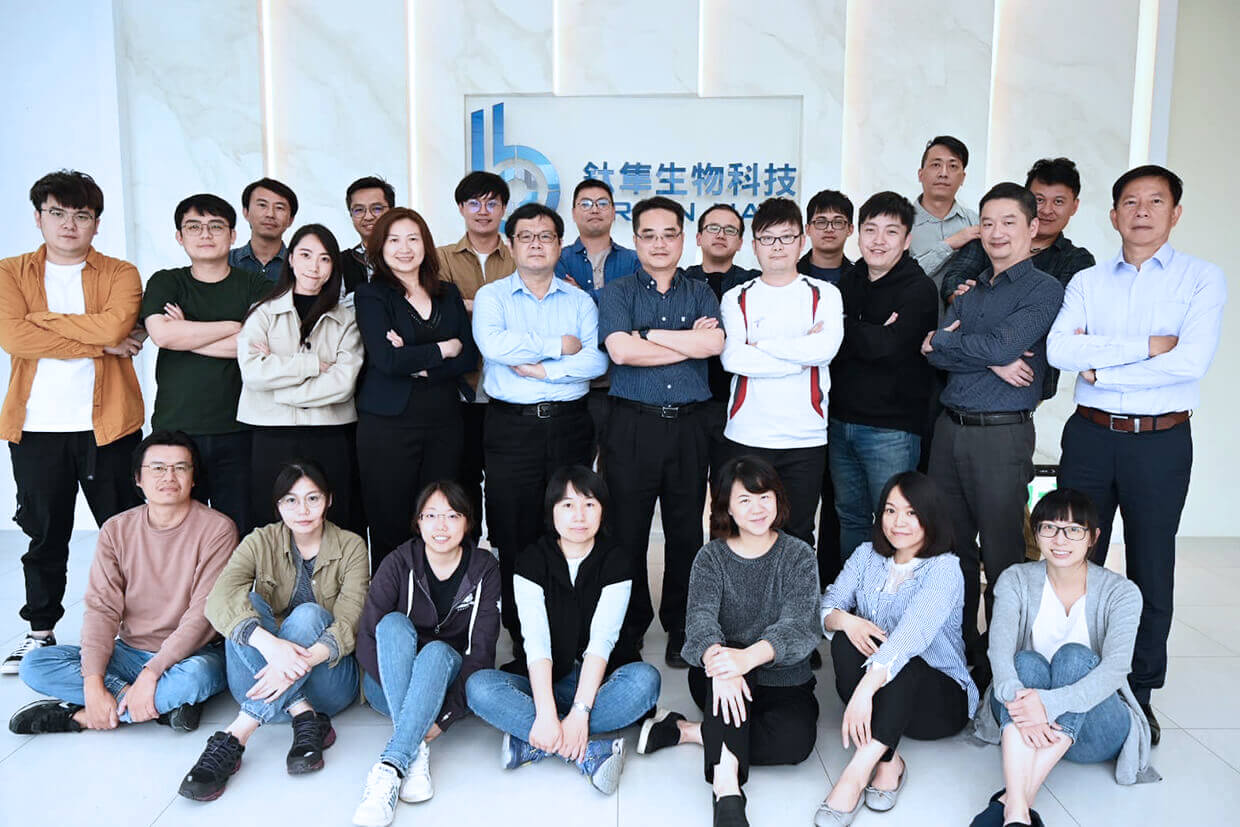
NaoTrac is the first Autonomous Neurosurgical Navigation Robot, developed by the Brain Navi team. The main goal of innovating NaoTrac is to assist the surgeon in having an alternative neurosurgery assistant for high precision. NaoTrac has received more than 25 patents in technology and innovation awards and has completed more than 140 clinical cases.

ROBOTIC

Autonomous Navigation Robot

Robot-assisted Surgery

INTELLIGENT

3D Vision Merging High-tech

Algorithm Software

AUTOMATIC

Surface Matching Facial Recognition & Instrument Recognition

Machine Vision

NaoTrac Robotic Technology

NaoTrac is the first Autonomous Neurosurgical Navigation Robot, which was developed by the Brain Navi team. The main goal of innovating NaoTrac is to assist the surgeon in having an alternative neurosurgery assistant for high precision. NaoTrac received more than 18 patents in technology, innovation awards, and currently in clinical trials.

ROBOTIC

Autonomous Navigation Robot

Robot-assisted Surgery

  • The robot’s arm automatically inserts the tools to the exact pre-defined position of the lesion with robotic precision, while the surgeon is still in control
  • INTELLIGENT

    3D Vision Merging High-tech

    Algorithm Software

  • NaoTrac automatically matches the patient's face with the 3D DICOM model to the CT/ MRI medical image to save substantial time
  • It registers the patient's physical anatomic location increasing registration accuracy to less than 0.5mm, increasing the precision of the surgery.
  • No need to measure manually surgical instruments manually
  • AUTOMATIC

    Surface Matching Facial Recognition & Instrument Recognition

    Machine Vision

  • Accurately register the spatial information of a regular surgical instrument attached to the robot arm automatically
  • The machine vision also locates the patient and auto-registers the patient's facial landmark under 100,000 points of the coordinate system to enhance the accuracy of the surgery
  • "For the first time in 40 years, I crossed my arms during the procedure. "

    Professor Dr. Shinn Zong Lin

    Machine Vision

    Artificial Intelligence Tech

    Robotic Arm

    The core technology of NaoTrac S, SMART( Surface Mapping Auto-registration Technology) platform, is an improvement to the market. It eases the inaccuracies or limitation of current solution, like the movement through a physical connection from tracking target to stationary devices. 

    The SMART (Surface Mapping auto-registration Technology) platform is the exclusive patented technology of Brain Navi Biotechnology. It merges machine vision, robotic technology, and AI Technology to achieve “real-time imaging”, “precise surgery” and “minimal invasive outcome” during surgery. We are targeting to the world’s top ten cancer early treatments as the research and development direction. 

    Pilot study of a new type of machine vision-assisted stereotactic neurosurgery for EVD placement

    (Medical Journal Published via Acta Neurochirurgica)

    Hualien Tzu-Chi Medical Center published a abstract about the EVD placement result on the Europe well-known journal: Acta Neurochirurgica. The result of this report demonstrate that the SMART Technology that embedded on NaoTrac is feasible and fast. The average time spent on the patient registration was 1423.8 seconds. The mean target deviation was 1.68mm, and the mean angular deviation was 1.99 degree, all within the accepted tolerance for minimal tissue damage.

    Acta Neurochirurgica

    Digital poster on CNS 2019

    Digital poster on CNS 2023

    Neurosurgeon Expert Feedback

    動画再生

    “Using NaoTrac to perform EVD reduces anesthesia time, but it also improves the patient’s well-being through less invasive interventions. Most importantly, it has increased the degree of accuracy of the surgery to 1mm to 2mm,” said Shinn-Zong Lin, M.D. PhD., Superintendent of Hualien Tzu-Chi Medical Center. Ph.D. Dr. Lin also mentioned that “In the fields of immunotherapy, cell transplant, microchip implantation, etc., a high degree of accuracy is required. Therefore, NaoTrac not only executes EVD or tumor resection, but it also has the potential to collaborate with further fields.”

    Neurosurgeon Expert Feedback

    NaoTrac-Assisted in Prone Position

    Illuminating Prone Position Advantages with Neurosurgical Navigation Robot.

    NaoTrac-Assisted the ICH Treatment

    動画再生

    NaoTrac-Assisted the ICH Treatment in China Medical University in Taiwan, the ICH treatment for the stroke patient to get quick recovery.

    Spinocerebellar Ataxia Treatment with NaoTrac

    動画再生

    NaoTrac-Assisted New Treatment: A New Hope for Spinocerebellar Ataxia Patients. The NaoTrac performed the Cell Therapy in the prone position.

    The First Experience in NaoTrac

    動画再生

    The Interview with Ph.D. Dr. Shin-Zong Lin, the superintendent of Hualien Tzu-Chi Medical Center, as he shares his first-hand experience with NaoTrac.

    Events

    First Case in Netherlands, ERASMUS MC

    The First Case in Netherlands video will release soon.

    2024 100 Cases Completed

    Brain Navi Announces 100th Surgical Procedure Completed Using NaoTrac

    First Installation of NaoTrac S in An-Nan Hospital

    動画再生

    The Brain Tumor Biopsy surgery was performed at An-Nan Hospital in Taiwan, marking the first installation of its kind in the southern region of the country.

    2022 NaoTrac S Workshop

    動画再生

    In order to increase awareness of NaoTrac among neurosurgeons, we organized a workshop and extended invitations to prominent neurosurgeons in Taiwan.

    Live Surgery in Brain Tumor Biopsy

    動画再生

    To open the doors for international investors and potential key opinion leaders (KOLs), Brain Navi collaborated with Hualien Tzu-Chi Medical Center to demonstrate a live brain tumor biopsy procedure via broadcasting in 2022.

    First-in-Human Trial Documentary in 2018

    動画再生

    The first-in-human trial was conducted in 2018 by Dr. Chiu and Dr. Lin from Hualien Tzu-Chi Medical Center. Following the initial surgery, no further complications or adverse effects were observed in the subsequent 15 trials.

    Patient devotion

    Brain Navi robotic surgery helps enhance preoperative accuracy and rapid recovery for patients.

    Patient

    NaoTrac S can show the surgical pre-planning and the surgeon can explain what the post-operative effects will be.

    Surgeon

    Shorten the learning curves assists the experienced surgeon sharing by seeing the pre-planning data 

    Hospital

    Using higher precision robotics increases a better patient outcome, enhancing patented care and the hospital’s reputation.

    High Tech

    Robot-assisted surgery allows hospitals and surgeons to focus on the patients.

    Join Brain Navi to bring neurosurgery to the next level

    Our mission is to develop innovative navigation and robotic techniques for surgeons to improve accuracy, streamline surgical procedures, and learning curves.

    Come and Join us to save lives!

    Patient

    The surgeon usually explains the estimated post-operative result. However, so many uncertain elements are contained during the surgery and out of the plan. NaoTrac’s machine vision can show the surgical pre-planning and the surgeon can explain what the post-operative effects will be.   

    NaoTrac is accelerating the process and enhancing the accuracy of preoperative work, reducing anesthesia time, minimally invasive care, and ensuring rapid recovery. These are the most desirable treatment outcomes for both surgeons and patients. 

    Surgeon

    Experience inheritance is one of the main goals the Brain Navi team wishes to reach.  Mostly, a new surgeon needs years of internship, operation, and study to be mutual during the surgery. Shorten the learning curves assists the experienced surgeon sharing by seeing the pre-planning data and the machine vision procedure.  

    Hospital

    A good communication between the doctor and patient will lead to frequent quality information about the patient’s disease and better health care for the patient and their family. The doctor-patient relationship is a key driver of hospital outcomes; both in promoting desired results and in preventing adverse outcomes. 

    Using a higher precision medical device helps enhance the image of the hospital. With pre-planning analysis, the patient can understand the situation to lower and prevent misunderstandings and increasing the confidence, so does the surgeon.  

    High Tech

    Technology is connecting to the people. With the assist of high technology, both hospitals and surgeons could be more focused on communication with and studies of the patient. With the high tech medical device, the patient would feel more confident about the professionality and precision of the surgery.  

    Know more about NaoTrac?

    Fill the form to download the latest medical journal of NaoTrac, the autonomous surgical navigation robot

    Cookies

    By continuing to browse the site you are agreeing to our use of cookies.