Inside the Respiratory Care Center, time can feel as though it has stopped.
For Daniel, the past 4 to 5 years had been reduced to the outline of the ceiling above him and the steady rhythm of a ventilator beside him. After undergoing a tracheostomy and remaining bedridden for years, even simple communication had become a luxury. Yet his mind remained clear. Within the limits of his body, he endured silently.
A Silent Cry for Help
After finally being freed from the constant need for an oxygen mask, Daniel soon found himself trapped in a different kind of suffering.
But one year ago, he began experiencing severe headaches and dizziness. Because he had limited ability to communicate, his pain was not easy to express — but it was real, persistent, and deeply distressing.
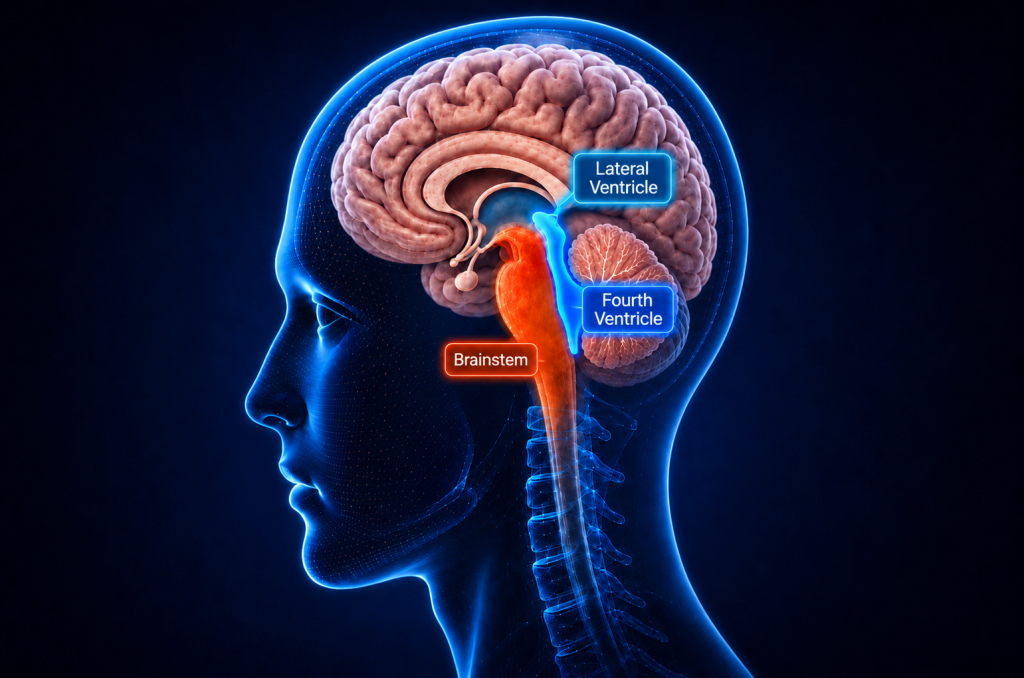
Further examination revealed a serious problem: fluid had built up in the fourth ventricle, a deep area of the brain, and was compressing the brainstem. The brainstem controls vital functions such as breathing, consciousness, and movement responses. Any pressure in this area can be extremely dangerous.
For Daniel and his family, the question was no longer only about pain relief.
It was about saving a life.
A High-Risk Case Requiring High Precision
Because Daniel had been bedridden for many years, surgery carried additional risks.
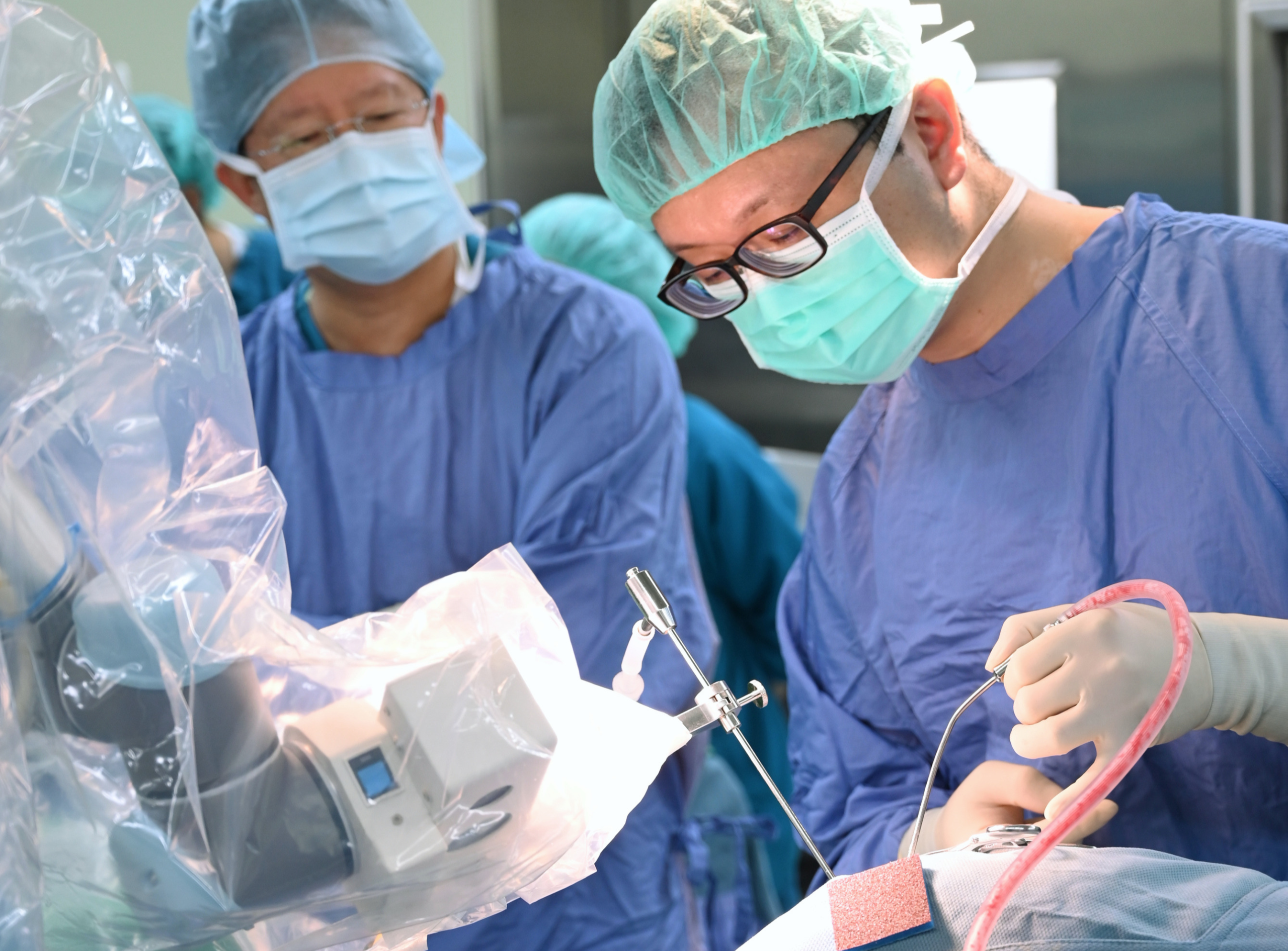
The surgical area was also very close to the brainstem, meaning that even a small deviation could lead to serious consequences. After careful evaluation, Dr. Jeng-Hung Guo, the attending neurosurgeon at China Medical University Hospital, and the medical team decided to use a robotic-assisted neurosurgical navigation system to support the procedure.
The goal was clear: To make the surgery as precise, efficient, and safe as possible.
How Robotic Navigation Helped
In brain surgery, precision matters.
The robotic navigation system helped the surgical team locate the target area more accurately and reduce unnecessary surgical time. For a long-term bedridden patient, shorter and more precise surgery can also help reduce anesthesia-related risks.
Dr. Guo shared that robotic assistance was especially valuable in this case because the lesion was located near the brainstem — one of the most delicate and critical areas of the human body.
With the support of advanced navigation, the medical team was able to complete a highly challenging procedure with greater confidence and control.
A Meaningful Recovery
The changes after surgery allowed both the long-term care team and the patient’s family to feel the human warmth that medical technology can truly bring. Daniel’s postoperative recovery was encouraging:
- Improved consciousness: he has progressed from only responding to stimulation to opening his eyes on his own and following commands. Although his verbal response still cannot be assessed because of the tube, his overall level of consciousness is better than before.
- Renewed responsiveness: His responsiveness increased significantly after surgery. No longer trapped in the suffering of headaches and dizziness, he showed a strong willingness to participate in rehabilitation.
- Stable recovery: After approximately 14 days of hospitalization, his condition stabilized, and he is now moving toward a better quality of life.
More Than Technology
This was more than a technically successful operation.
It was the moment when a family, after nearly two years of struggle, finally heard a response from life again. For patients like Daniel — conscious, suffering, and trapped within bodies that can no longer fully communicate — precision medicine offers more than technology. It offers dignity. With the support of experienced clinicians and advanced robotic navigation, patients facing complex neurological conditions may have a chance not only to survive but to regain comfort, responsiveness, and hope.