NaoTrac, 自動立體定位手術導航設備
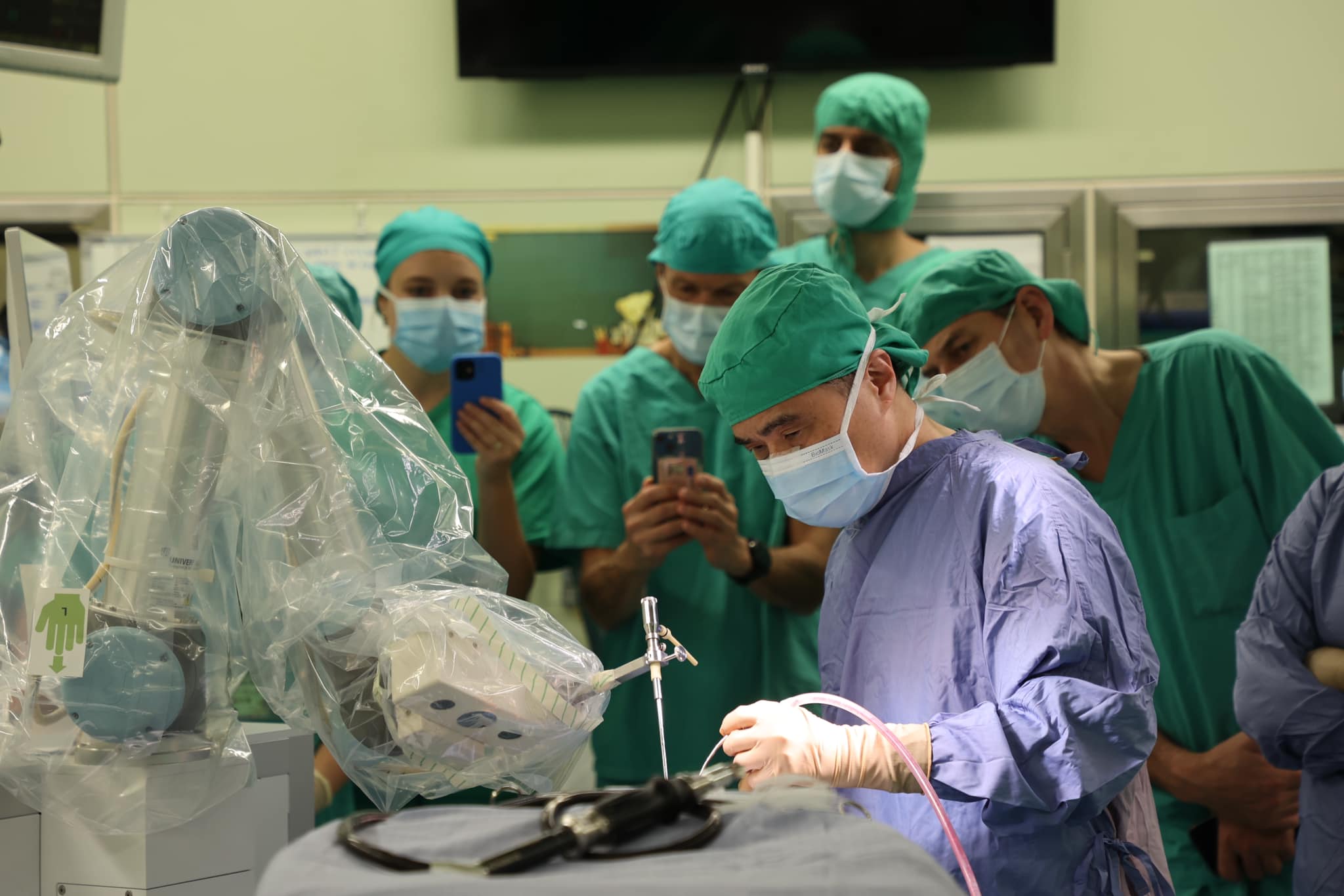
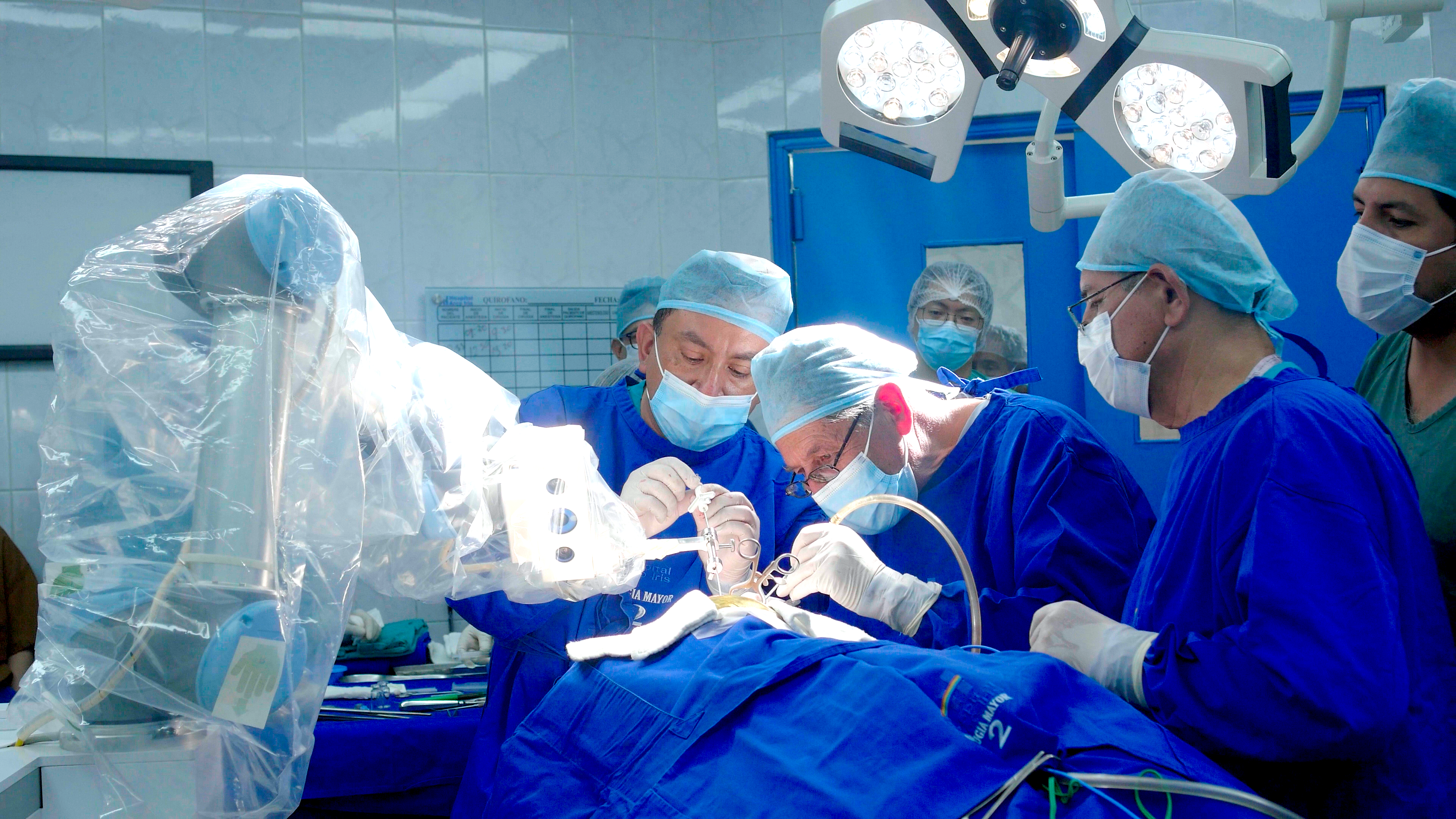
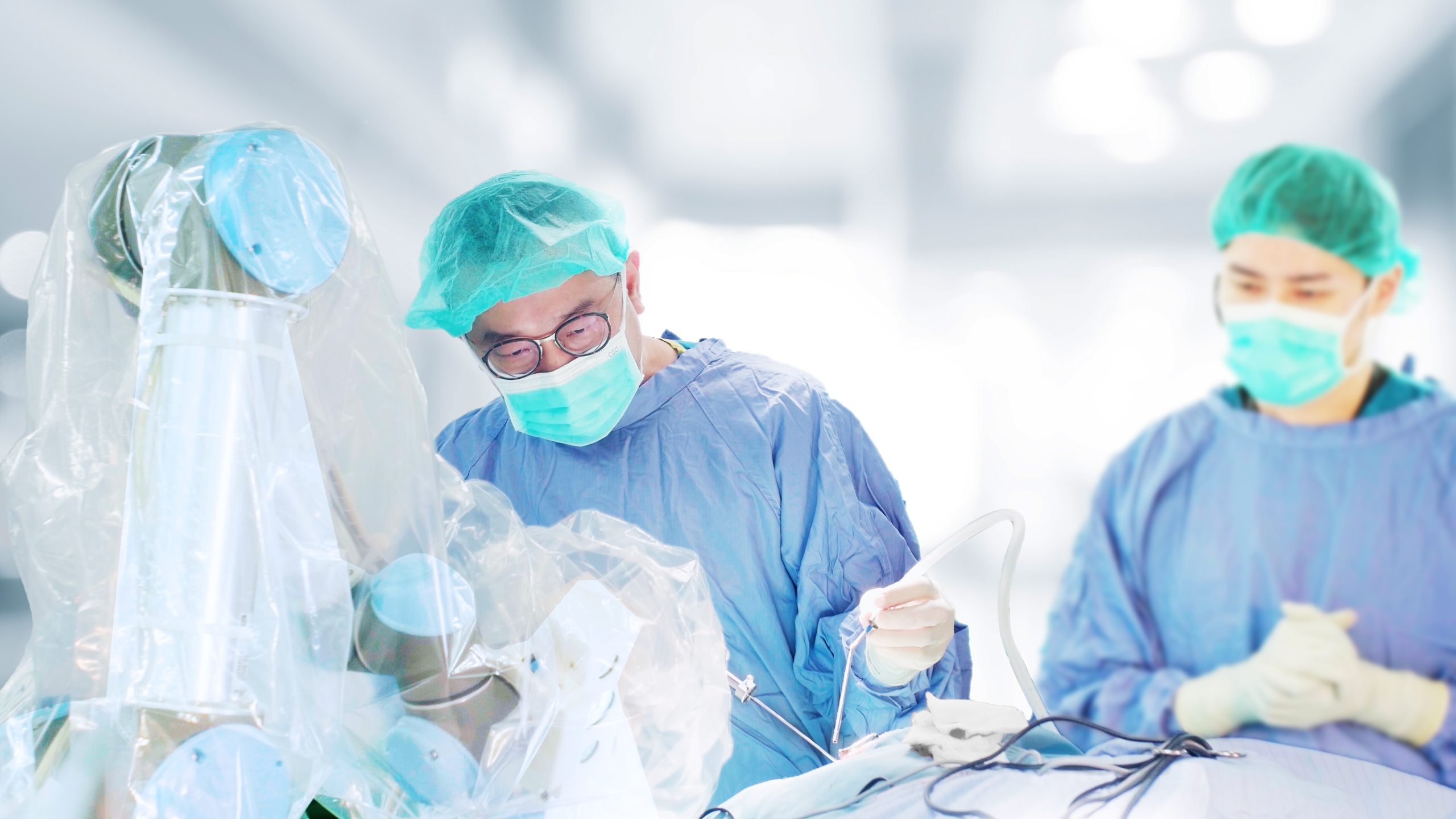
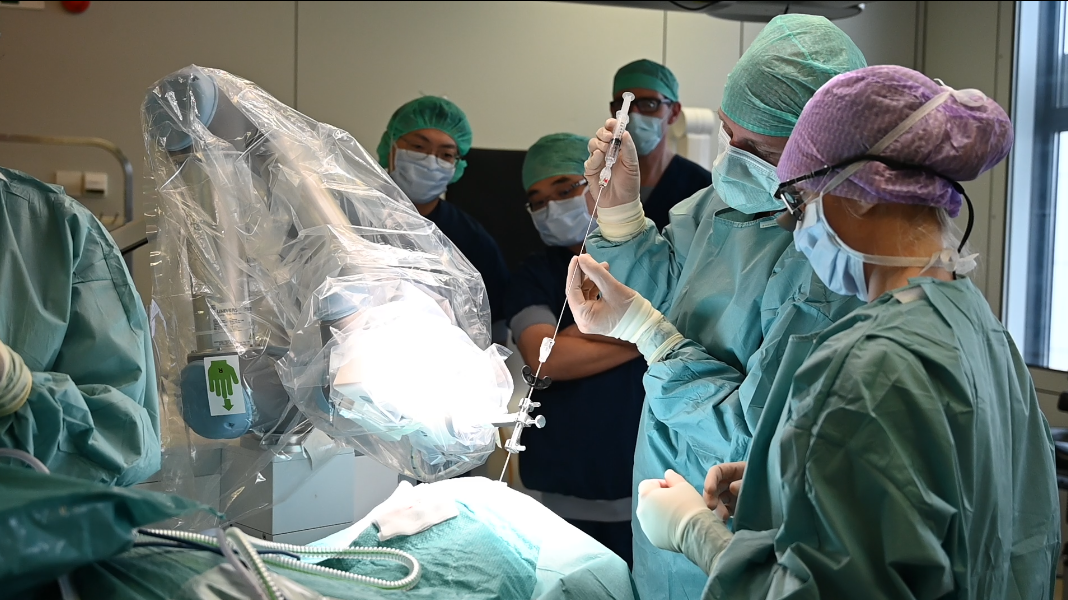
NaoTrac, the Stereotactic Surgical Navigation Robot for neurosurgery, merges high-precision technology and surgeons’ experience to improve accuracy and result by streamlining surgical procedures and improving the learning curve equipped with Al, Machine Vision, and Robot-Assisted Surgery. Surgical navigation with non-contact registration, pre-operating planning preparation, and choosing the surgery pathway with a 3D vision for precise anatomical location. The unique autonomous procedure allows the surgeon to plan and let NaoTrac act as his assistant.
NaoTrac has received regulatory clearance in Europe, Taiwan, and the United States, including U.S FDA 510(K), CE Mark, and Taiwan TFDA.
產品優勢

自動辨識 手術器械
可自動辨識術式需使用之手術器械,無指定規格

自動辨識 患者臉部與位置
減少術前準備工作(病患註冊或器械註冊),縮短手術時間

3D影像融合
將CT/MR數據與3D圖像融合,讓手術路徑更精準
機器視覺輔助立體定向神經外科在腦室外引流(EVD)置放中的新型應用試驗研究
此為邱琮朗醫師於《Acta Neurochirurgica》發表的醫學期刊
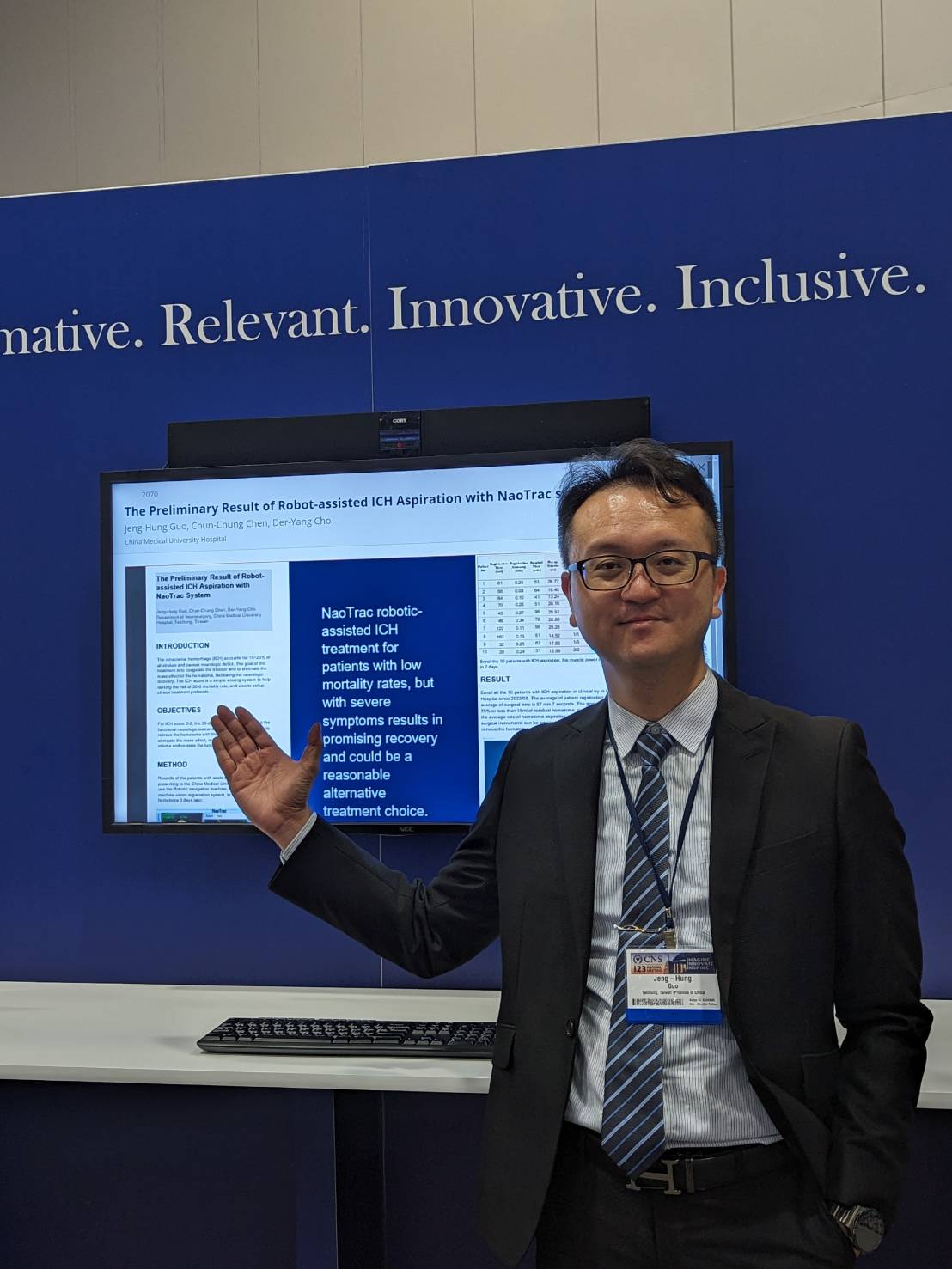
花蓮慈濟醫療中心於歐洲知名期刊《Acta Neurochirurgica》上發表了有關腦室外引流術式(EVD)置入結果的摘要。該報告的結果表明,嵌入在NaoTrac上的SMART技術是可行且快速的。患者註冊的平均時間為1423.8秒。目標偏差的平均值為1.68mm,角度偏差的平均值為1.99度,均在可接受的組織損傷最小的容忍度範圍內。
神經外科醫師回饋
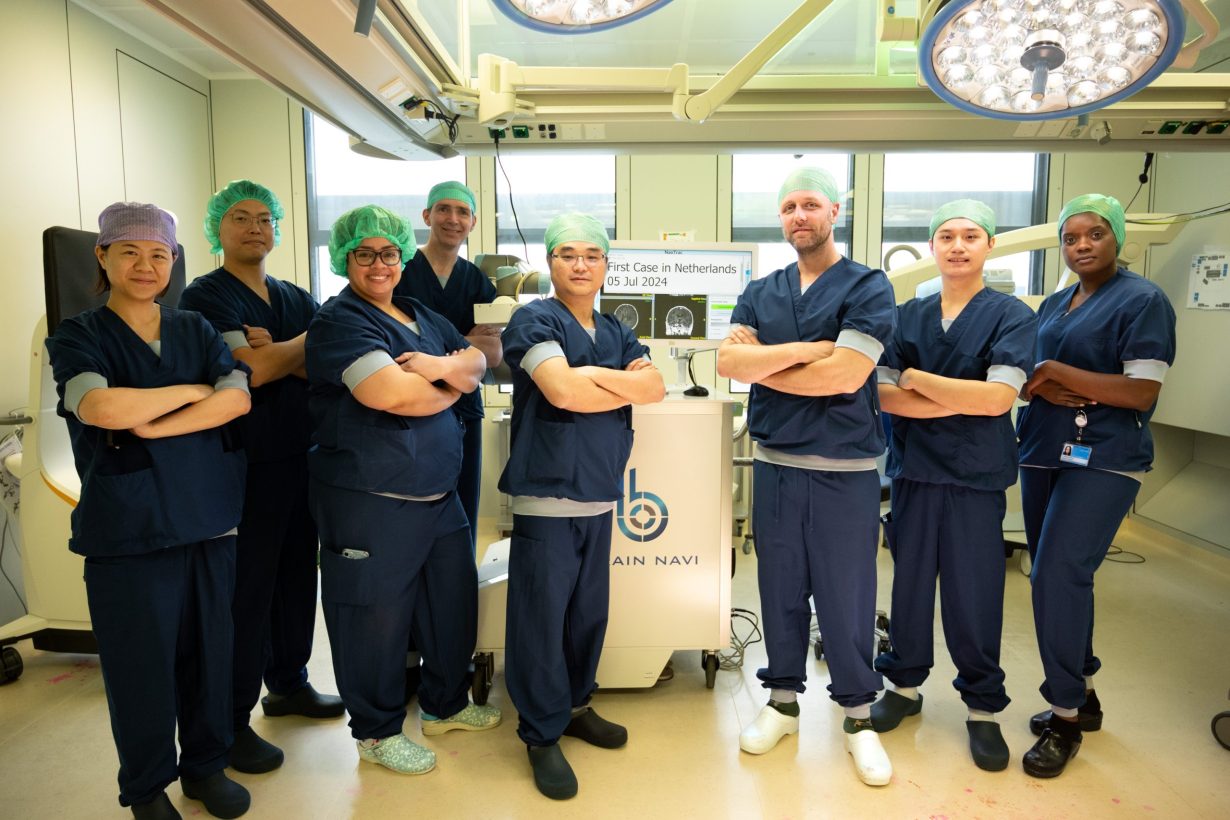
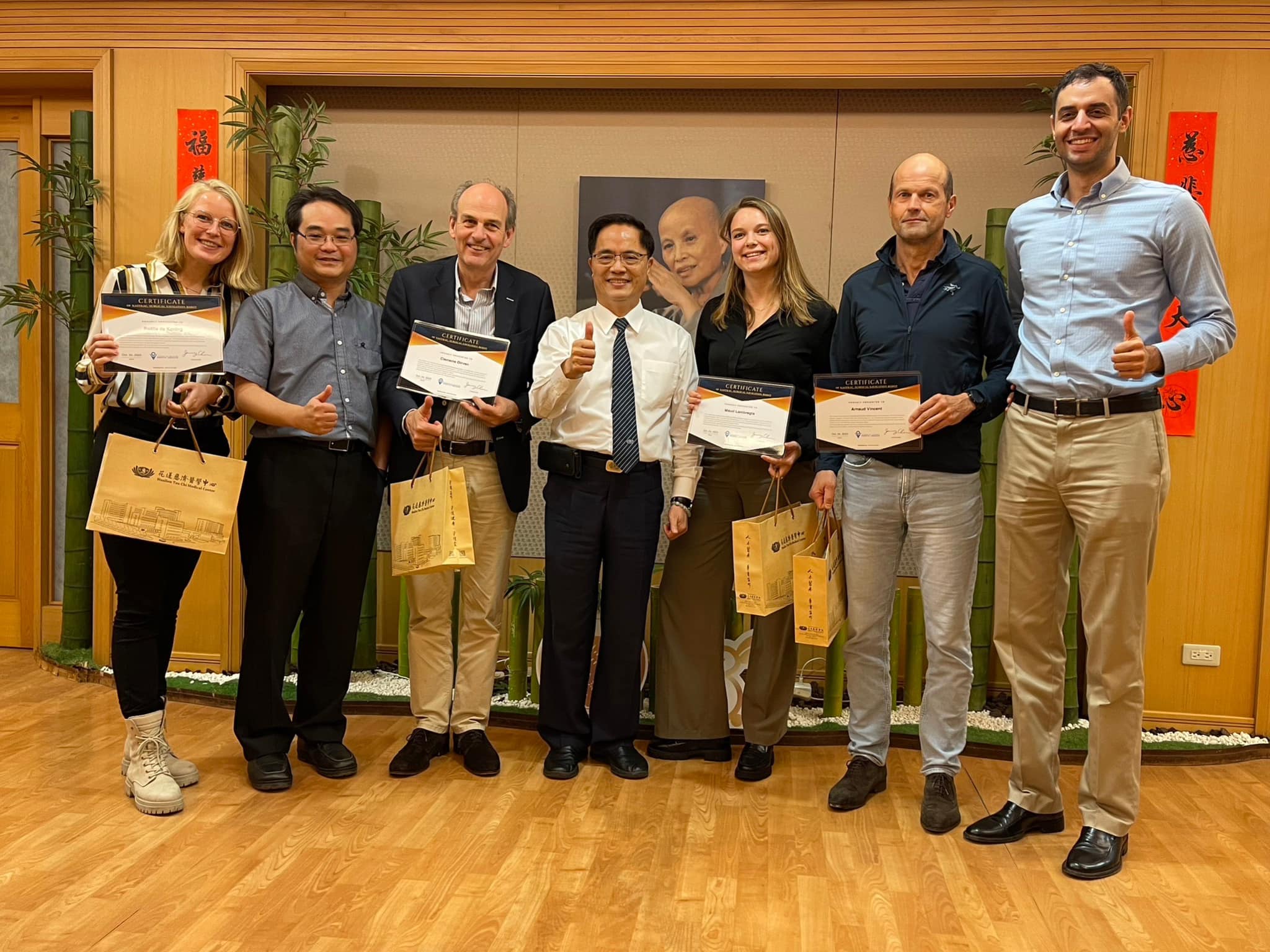
荷蘭伊拉斯姆斯醫學中心 (Erasmus MC) 訪談紀錄
感謝克萊門醫師關於NaoTrac未來應用願景的分享。影片主題深入探討了手術的詳細過程、神經外科團隊的見解,以及NaoTrac在推進神經外科手術方面的未來應用前景。
患者的照護
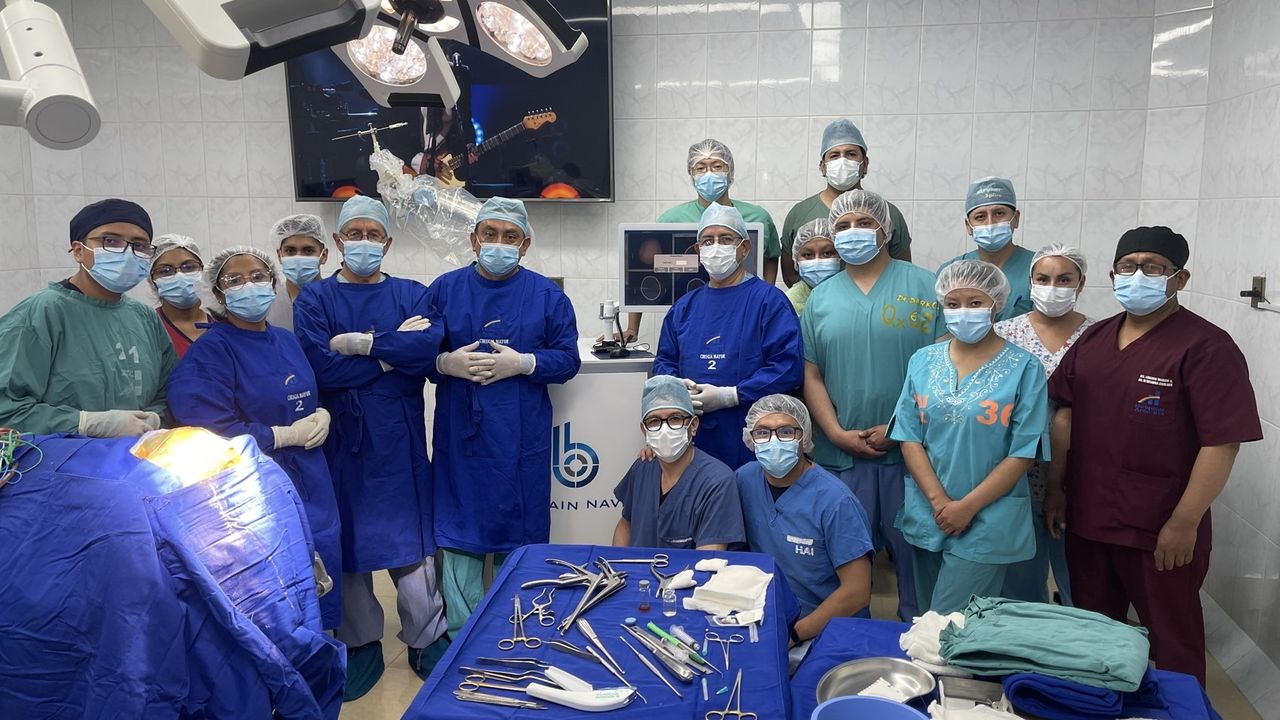
鈦隼腦導航機器人手術有助於提高手術準確性並幫助患者快速康復。
同鈦隼團隊一起,讓神經外科技術更上一層樓
Brain Navi Biotechnology is the leading surgical robot company in Taiwan, focusing on developing innovative solutions to improve patient outcomes in neurosurgery. We are dedicated to making neurosurgical procedures more efficient, precise, and accessible.
Our pioneering product, NaoTrac, is a state-of-the-art system that provides surgeons with a precision assistant robot that can navigate within the medical image by embedded with SMART Technology to achieve “real-time” surgery to improve the accuracy, streamline the surgical procedure and shorten the learning curves of the neurosurgeon.
SMART (Surface Mapping Auto-registration Technology) Technology is the exclusive patented technology of Brain Navi Biotechnology. It merges machine vision, robotic technology, and AI Technology to achieve “real-time imaging”, “precise surgery” and “minimal invasive outcome” during surgery.