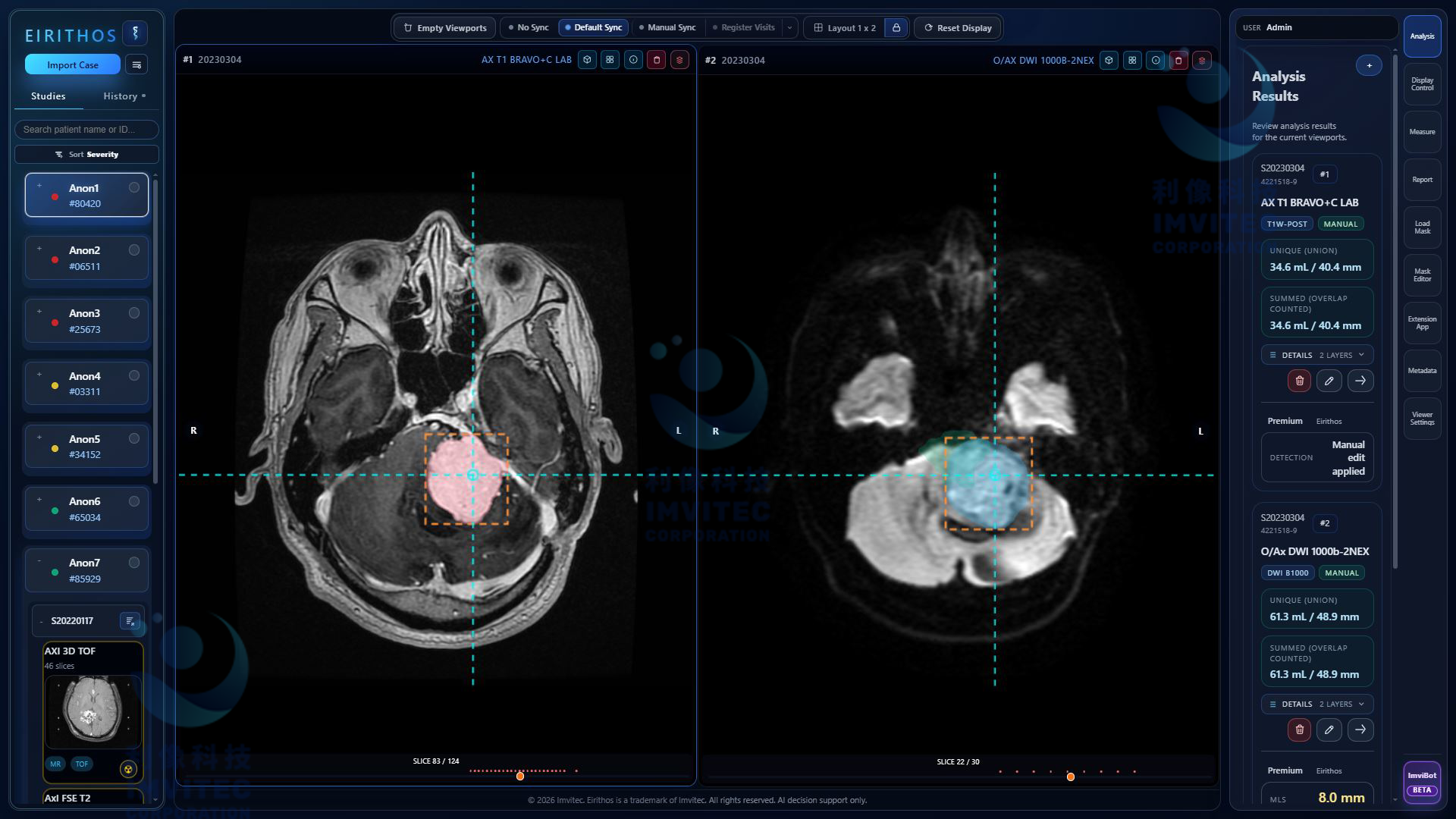
World Brain Day is observed every year on July 22 and was launched by the World Federation of Neurology (WFN) in 2014. This global initiative aims to raise public awareness of brain health and neurological disorders, while emphasizing the importance of prevention, early detection, and appropriate care. Neurological conditions such as dementia, stroke, epilepsy, brain tumors, headache disorders, sleep disorders, and other brain-related diseases can significantly affect quality of life and place a long-term burden on families, caregivers, and healthcare systems.
As populations age and the burden of neurological diseases continues to grow, brain health has become more than a treatment-focused medical issue. It is now an important public health goal that requires daily prevention, regular health monitoring, advanced imaging, and clinical decision support. A balanced diet, regular exercise, sufficient sleep, avoidance of tobacco and excessive alcohol, and timely medical examinations all play important roles in maintaining brain health. At the same time, advanced medical imaging and artificial intelligence can help physicians detect abnormalities earlier, understand lesion characteristics more clearly, and improve the efficiency of clinical decision-making.
AI-MRI (Assisted Intelligence for Multi-view Radiology Interface), the core imaging platform of the RadioGo® Brain Clinical Imaging Decision Support System, was developed with this vision in mind. AI-MRI integrates multi-sequence brain MRI images and supports clinical workflows such as image import, MRI sequence management, lesion detection and localization, target segmentation, urgency and severity-based case ranking and sorting, brain atlas mapping, 3D visualization, and report generation/export management. Through these functions, AI-MRI helps physicians efficiently search, identify, prioritize, and review high-priority cases from large volumes of imaging data.

In support of the spirit of World Brain Day, RadioGo® AI-MRI aims to use artificial intelligence and medical imaging technology to help clinicians better understand brain imaging information, promote earlier detection, enable more precise assessment, and support continuous follow-up. Protecting brain health requires not only healthy lifestyle habits, but also the integration of medical expertise, imaging technology, and intelligent tools. With these combined efforts, brain diseases can be identified earlier, understood more accurately, and managed with more appropriate clinical care.
