"I had a great experience using the Krystolens neuroendoscope. Having an all-in-one set means I don't need extra surgical instrument preparation. The visual quality is clear, and it has enough working channel to comfortably operate the surgical instruments."
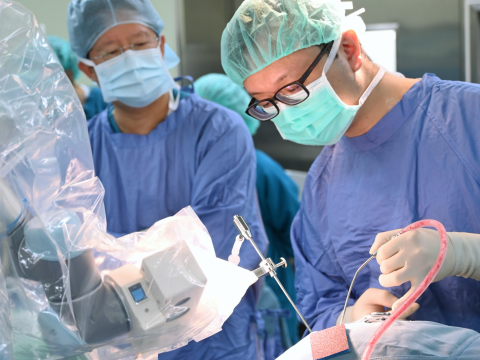
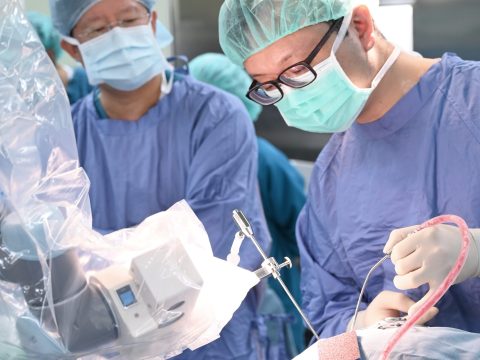
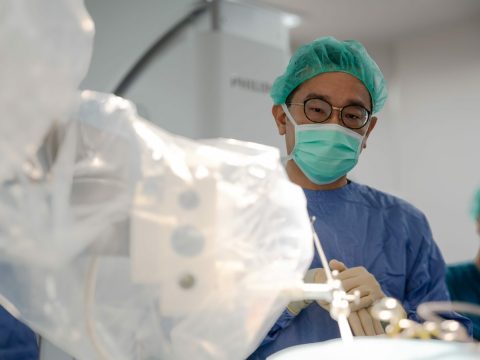
Dr. Hao-Yu Chuang's team used NaoTrac for stereotactic brain surgeries, achieving high accuracy in tumor biopsies and ICH drainage. The results were recognized at AANS.
"I had a great experience using the Krystolens neuroendoscope. Having an all-in-one set means I don't need extra surgical instrument preparation. The visual quality is clear, and it has enough working channel to comfortably operate the surgical instruments."
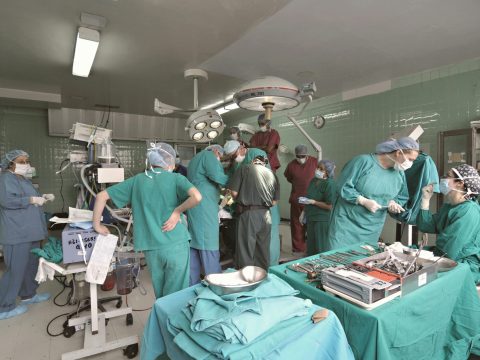
Precision and minimally invasive are more than technical goals—they are a pledge to uphold patient dignity. In the high-stakes realm of neurosurgery, where the brain’s complexity leaves only a millimeter of room for error, the demand for perfection is redefining the future of medical innovation.
Today’s neurosurgical navigation systems face critical limitations that continue to challenge surgeons and OR teams alike. From slow workflows to registration inaccuracies, these pain points can directly impact surgical precision and patient safety.
Dr. Hao-Yu Chuang's team used NaoTrac for stereotactic brain surgeries, achieving high accuracy in tumor biopsies and ICH drainage. The results were recognized at AANS.
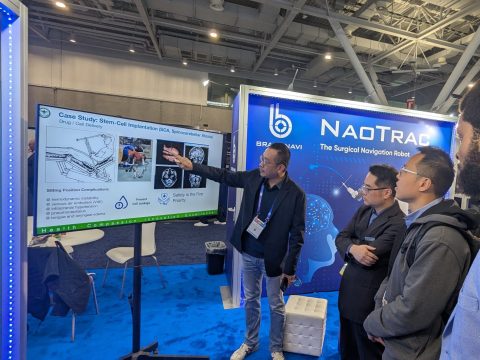
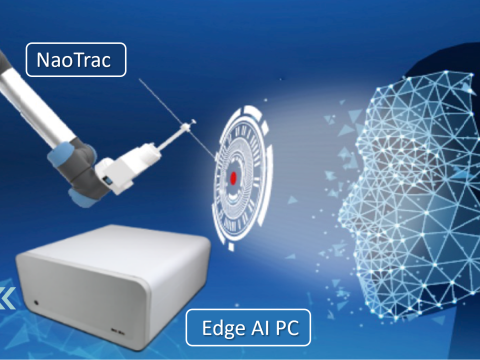
NaoTrac, powered by Avalue Healthcare’s Medical Edge AI PC MAB-T600, it enables real-time 3D imaging, robotic-assisted navigation, and AI-driven machine vision.